
Thinking About a Backyard Addition? Get a Boundary Survey First
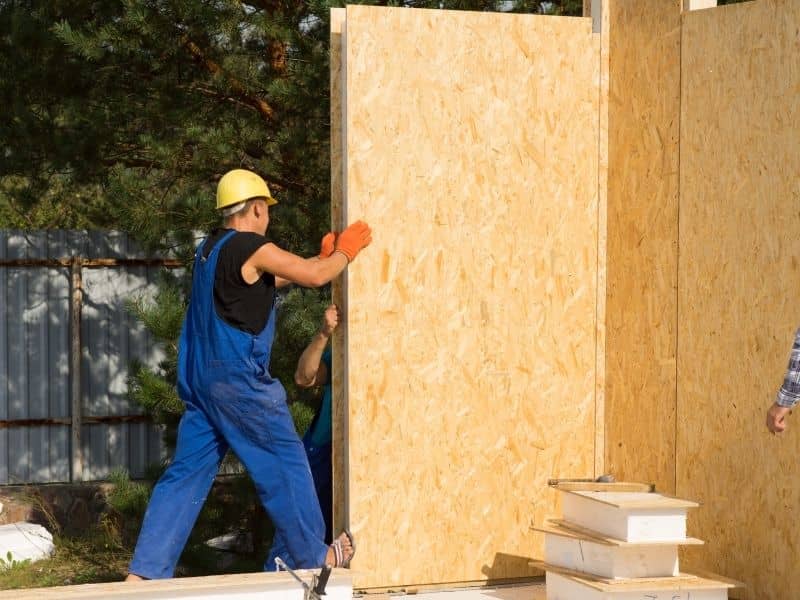
Adding new space to your home is an exciting project. You might want a garage, a patio, a pool, or extra living area. Before you draw up plans or buy materials, you need to know exactly where your property ends and your neighbor’s begins. A boundary survey gives you that clear and reliable information right from the start. It keeps you from making costly mistakes and ensures your project stays within legal limits.
Many homeowners look at their yard and assume they know the lines. They go by fences, trees, or old markers that may have shifted over time. These guesses can lead to big problems later. A boundary survey removes all doubt and sets a solid foundation for every step that follows.
Choosing the Best Location for Your Backyard Addition Starts With Accurate Property Lines
When you plan an addition, you want to use your space wisely. You also want to stay fully inside your own land. Without exact measurements, you might place a structure too close to the edge or even across the line. This can cause arguments with neighbors and force you to move or tear down work you have already paid for.
A boundary survey marks every corner and line using official records and precise measurements. It shows the true shape and size of your lot. With this information, you can pick the best spot for your project without worrying about crossing into another property. You can spread out your design and make the most of your available space while respecting legal limits.
Setback Requirements Can Affect More Than Your Building Plans
Most towns and cities have rules about how far structures must sit from property lines. These distances are called setbacks. They keep buildings far enough apart for light, air, drainage, and safety. They also protect the rights of everyone living nearby.
To follow these rules, you first need to know exactly where your lines run. A boundary survey provides the exact dimensions needed to calculate these required offsets. It also notes any easements or restrictions that may limit where you can build. Common limits include:
- Utility lines that run under or across the yard
- Drainage paths that cannot be blocked
- Shared access areas that must stay clear
- Zoning rules for lot coverage and height
When you have this data, designers and builders can create plans that fit every requirement. You avoid delays or reworks that happen when you find out too late that your design does not meet local codes.
Existing Backyard Features May Not Reflect the True Property Boundary
Over time, people build fences, plant trees, or put up walls where they think the line sits. These features often stay in place for years, so everyone begins to treat them as the real boundary. In many cases though, they are off by a few inches or even several feet.
Fences may have been installed before accurate records existed. Trees grow wider and roots spread out, changing the look of the edge. Landscaping work can also move soil or markers that once showed the true line. Relying only on these visible features is risky. You might build a new patio that sits partly on your neighbor’s land or on public property.
A boundary survey compares the legal description of your land to what you see on the ground. It tells you what is correct and what is just a guess. This proof protects you from disputes and extra costs later.
How a Boundary Survey Supports Contractors, Designers, and Permit Applications
Every person working on your project needs the same clear facts. Architects use the measurements to draw plans that fit the lot. Contractors follow those plans to build correctly. Local offices use the details to check if your project follows rules before giving approval.
When everyone works from the same set of numbers, there is less confusion and fewer changes. Plans do not need to be redrawn because of wrong assumptions. Permit applications move faster because you can show exactly where your property lines and improvements sit. This shared information creates a smooth process from start to finish and keeps work on track. You can trust the property measurements to guide every decision made.
Planning Once Instead of Rebuilding Later: The Long-Term Value of a Boundary Survey
Spending time and money on a survey before building feels like an extra step, but it saves far more in the long run. It stops you from starting a project that you will have to change or remove later. It also makes selling your home easier someday, because buyers and lenders want clear proof of property lines.
A boundary survey creates a permanent record you can use for any future work. It answers questions before they turn into problems and gives you confidence in your plans. You get to enjoy your new space without worrying that it sits in the wrong place or breaks any rules. Having clear boundary information gives you peace of mind and protects your investment for years to come.
Frequently Asked Questions
Should I schedule a Boundary Survey before designing a backyard addition?
Yes, you should. It gives you the exact location of your lines so you can design within legal limits. It also helps you follow local rules and avoid conflicts before construction begins.
Can a Boundary Survey help determine where a detached garage or shed can be built?
Yes. It shows your lot size, setback distances, and any areas where building is not allowed. You can choose the best spot and make sure your structure stays fully inside your property.
Will a Boundary Survey identify property setbacks or only the property lines?
It marks the exact lines and provides the measurements needed to apply setback rules. It also notes any easements or restrictions that affect how you can use the land.
Can existing fences be used to plan a backyard addition without a Boundary Survey?
No, you should not rely on fences alone. They may have been placed incorrectly or shifted over time. Only a survey gives you the legal position of your property lines.
Does a Boundary Survey help with residential building permit applications?
Yes. Most local offices require proof of boundaries before approving plans. A survey provides the official details they need to review and approve your project quickly.