
Why a Boundary Survey Matters Before Replacing an Old Fence
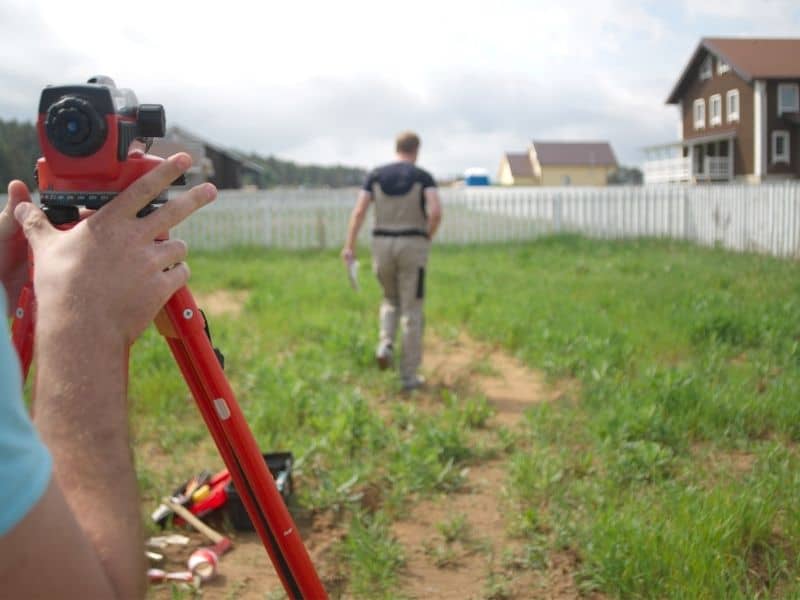
Replacing a fence feels like a simple home improvement project, but a boundary survey can be the one step that saves you from a costly mistake. Before you pull out old posts or sign a contract with a fence contractor, knowing exactly where your property line sits matters more than most homeowners expect.
Why Old Fence Locations Are Not Always Reliable
A fence that’s been standing for 20 or 30 years looks permanent, but its position on your lot might tell a different story. Previous owners sometimes installed fences based on guesswork, verbal agreements with neighbors, or rough estimates from an old survey. Original property markers, like iron pins or concrete monuments, can shift over time due to soil movement, lawn work, or simple neglect.
Here’s what that means for you today: the old fence line and the legal property line are often two different things. A few inches might not sound serious, but encroachments of even six inches can complicate a fence replacement project once a neighbor notices the new structure sits closer to their yard than before.
A boundary survey sends a licensed land surveyor to your property to locate the official corners and lines recorded in public land records. That’s the number you can actually build from with confidence.
How a Boundary Survey Helps Prevent Expensive Fence Reinstallation
Installing a new fence in the wrong location is an expensive lesson. If you place the fence over your neighbor’s property, even by accident, you may need to tear it down and rebuild it at your own cost. Depending on the material, that can mean losing thousands of dollars in labor and supplies.
A boundary survey done before construction gives you a verified starting point. Your fence contractor works from real coordinates instead of assuming the old fence was right. This small upfront investment can prevent you from paying twice for the same job, and it removes any guesswork from the process.
Concrete, brick, or vinyl privacy fencing costs far more than basic wood. The higher the project budget, the more a survey is worth the cost. Getting that line confirmed before a single post goes in the ground just makes financial sense.
Why Fence Replacement Projects Can Trigger New Property Questions
Neighbors who never said a word about the old fence may suddenly have opinions once they see a new one going up. That’s not unusual. An old, worn fence blends into the background. A brand-new fence draws attention, and with attention comes questions.
“Is that on the right line?” is a fair question, and one you should be able to answer. A boundary survey gives you documentation you can actually show. You’ll have a stamped survey map from a licensed professional that confirms where the fence sits relative to the legal boundary. That one document can resolve most neighbor concerns before they turn into disputes.
Without that paperwork, a disagreement over a few feet of fence line can escalate into something that costs far more to resolve than the survey ever would have.
Local Fence Rules and Setbacks Homeowners Should Understand
Most cities require fences to sit a certain distance from the property line, not directly on it. These are called setback requirements, and they vary depending on where you live, the type of fence you’re installing, and sometimes the zoning of your neighborhood.
HOAs add another layer. Some associations limit fence height, material, or style based on community rules that were agreed upon when the homes were built. Violating those rules, even unintentionally, can result in fines or forced removal.
Knowing your exact property line is the first step toward understanding how setback rules apply to your project. A boundary survey gives you that baseline. From there, you or your contractor can check local codes and HOA guidelines to confirm your fence plan is compliant before any work starts.
When It Makes Sense to Order a Boundary Survey Before Hiring a Fence Contractor
Not every fence replacement needs a full survey. Replacing a simple garden border on a well-established suburban lot with clear markers might not require one. But several situations make a survey worth scheduling before you call a contractor:
- You’re replacing a shared fence with a neighbor and both parties want clarity on cost and placement
- The old fence is visibly off-center or was installed without any record of where the property line sits
- You’re upgrading to a masonry wall, vinyl privacy fence, or any higher-cost permanent structure
- Your lot is irregular, corner-situated, or borders a public easement
- You bought the property recently and haven’t verified the boundary locations yourself
These situations carry more risk than a basic like-for-like wood fence swap. A survey takes the uncertainty out of the project before it becomes a problem.
FAQs
Do I need a boundary survey to replace an existing fence?
A boundary survey isn’t always required, but it confirms the legal property line before a new fence goes in, which can prevent disputes and costly reinstallation.
Can I build a new fence where the old fence was located?
Not necessarily. An older fence may not have been placed on the actual boundary line, so the old position isn’t a reliable guide.
Will a boundary survey show where my new fence should go?
A boundary survey identifies the property boundaries and corner locations, which gives you the information needed to plan proper fence placement.
Can replacing a fence create disagreements with neighbors?
Yes. A new fence draws more attention than an old one, and questions about ownership or placement can come up even when the old fence never caused any issues.
Should I get a survey before hiring a fence contractor?
For shared fences, expensive upgrades, or uncertain property lines, getting a boundary survey before construction starts is generally the smarter call.